
Knowledge Base
Fitting Techniques
Direct Adhesive Fixing
The most common method for installing PVS sheets is to use a high-strength adhesive. For optimal results, the surface should be clean, dry, and free from dust or loose materials. This installation method is quick, cost-effective, and minimises operational downtime.
Jointing Systems
To maintain hygiene, PVC sheets are fitted with sealing joint trims that close gaps and ensure a watertight finish. Heat-welded joints are also available for a flat surface result, providing smooth, bacteria-resistant seals.
Thermo-Folding Machine
Creating clean, precise folds on PVC sheets is essential for forming internal and external corners. By applying controlled heat, the material softens, allowing for smooth, accurate bends that enhance finish quality and reduce the need for mechanical fixings.
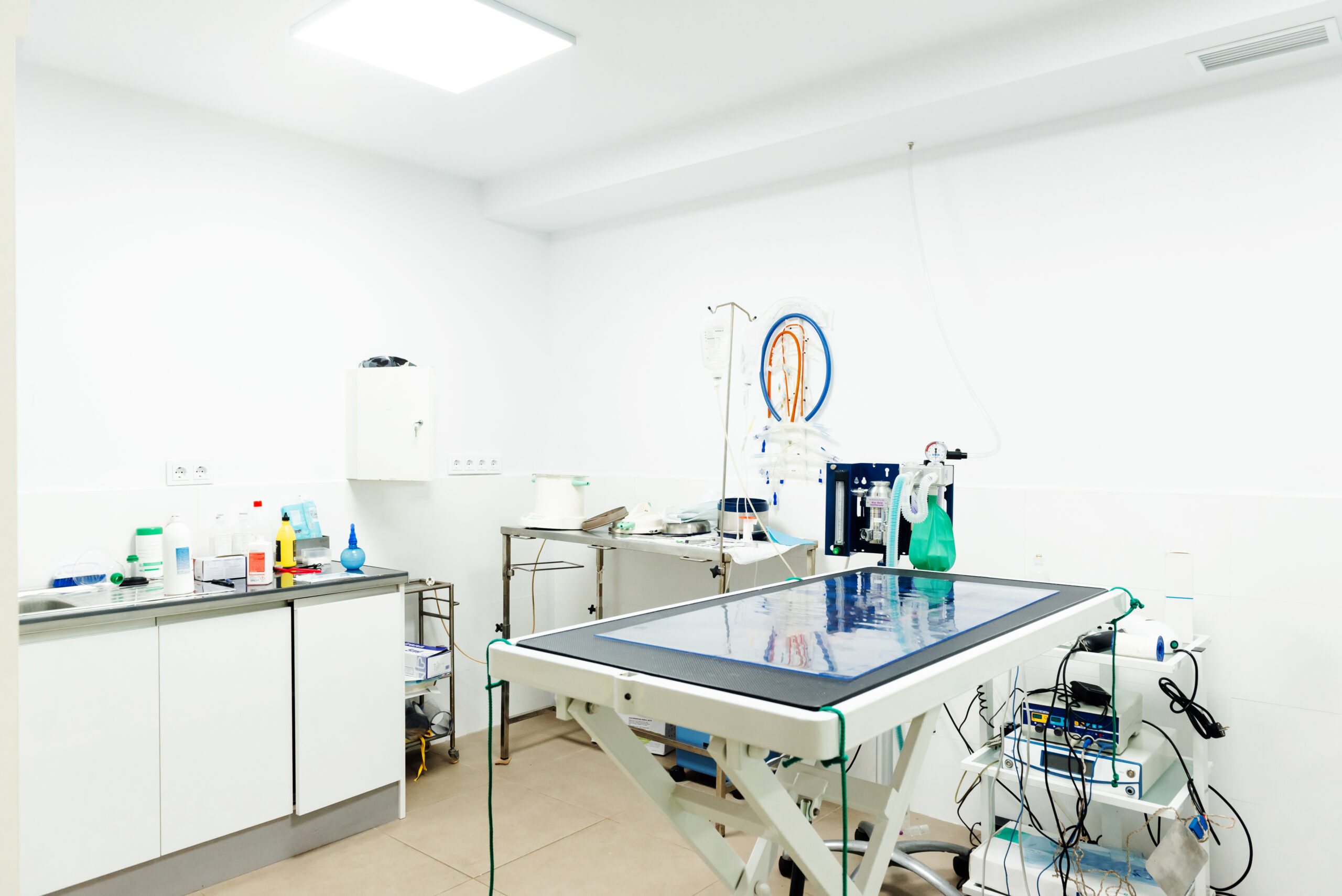
Hygienic wall cladding is essential in a range of commercial sectors, including food production, healthcare, laboratories, and pharmaceutical facilities, due to its ability to create a smooth, non-porous surface that prevents the growth of bacteria, mould, and dirt. The primary function of hygienic cladding is to maintain strict cleanliness standards, reduce contamination risks, and comply with industry regulations. This makes it an invaluable component for businesses in sectors where hygiene is a top priority.

Types of Hygienic Wall Cladding Materials
We fit and install PVC cladding that is fire-resistant and adhere to local building regulations.
PVC (Polyvinyl Chloride)
PVC is one of the most commonly used materials for hygienic wall cladding, especially in food processing facilities, commercial kitchens, and healthcare settings. It is a cost-effective solution that provides a smooth, waterproof, and chemical-resistant surface. PVC sheets are lightweight, easy to install, and require minimal maintenance. They are also available in various colours and textures, offering both functionality and aesthetic appeal. PVC sizes are 8 × 4 feet (2440 mm by 1220 mm) and 10 × 4 feet (3000 mm by 1220 mm).
Stainless Steel
Stainless steel is a premium material that offers a high level of hygiene due to its non-porous properties. It is commonly used in environments such as commercial kitchens, particularly in and around cooking areas, under canopies, and in other locations where a stronger, heat-resistant material is essential. Renowned for its exceptional durability and strength, stainless steel can withstand heavy impacts. It’s excellent resistance to high temperatures, and chemicals makes it a top choice for industries that demand both durability and hygiene. However, it is more expensive and heavier than PVC, which may influence material selection depending on the specific application.